Every single patient is unique, and one solution doesn’t fit all. Acne comes in different forms and for different reasons and sometimes a combination of both creams and oral medications is needed to get the best results.
By offering both customized topical creams and oral medications we provide the best chance to make acne history and give you the skin that you dream of.
Each topical cream is uniquely created for your skin following a detailed assessment by a consultant dermatologist. We don’t compromise on quality; every single case is reviewed by one of the top consultant dermatologists in the UK to ensure that your acne is treated in the most effective way.
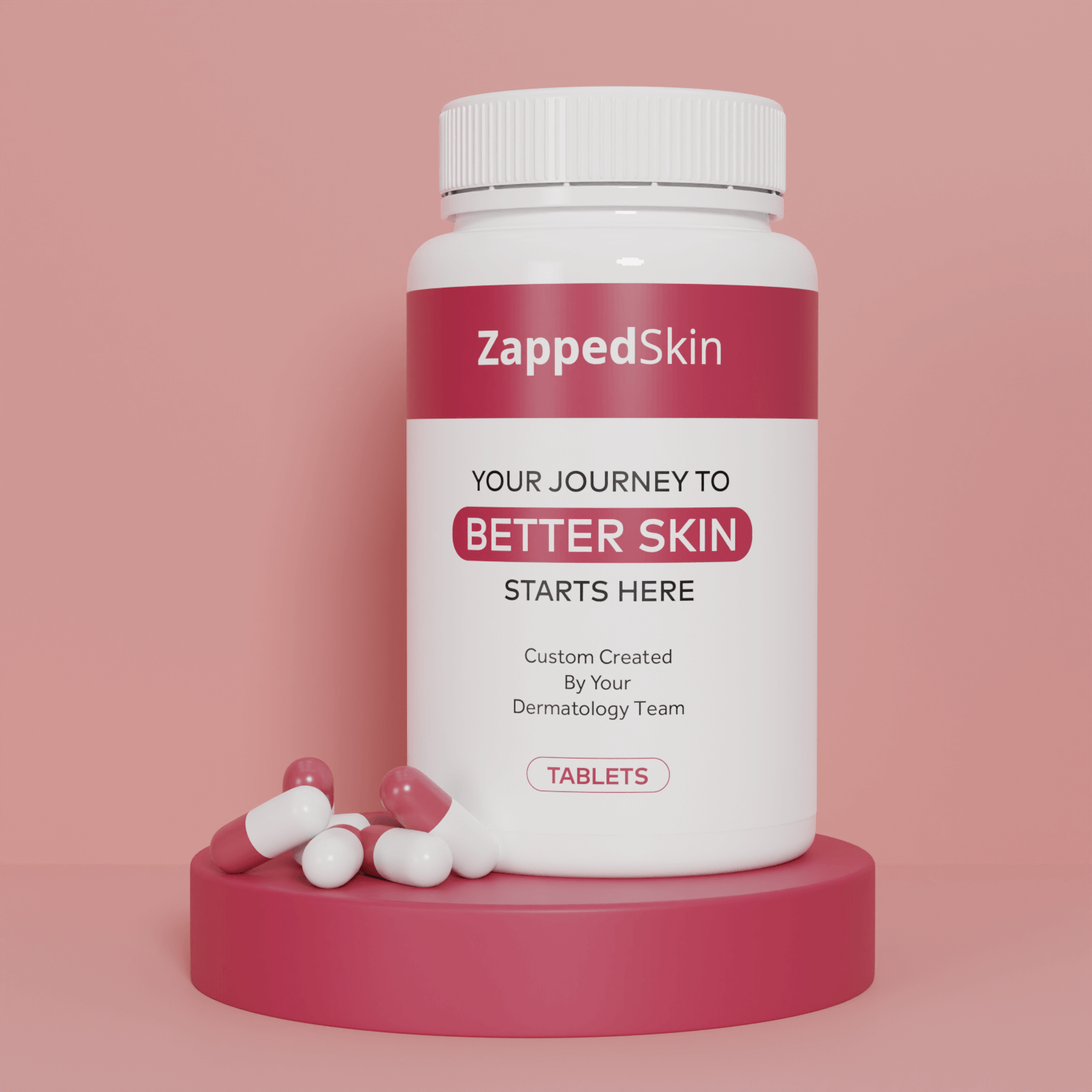
We give our patients the best chance of clearing their acne once and for all by offering both customized prescription-grade creams and oral medications. From oral antibiotics to Roaccutane, at ZappedSkin we’ve got everything covered.
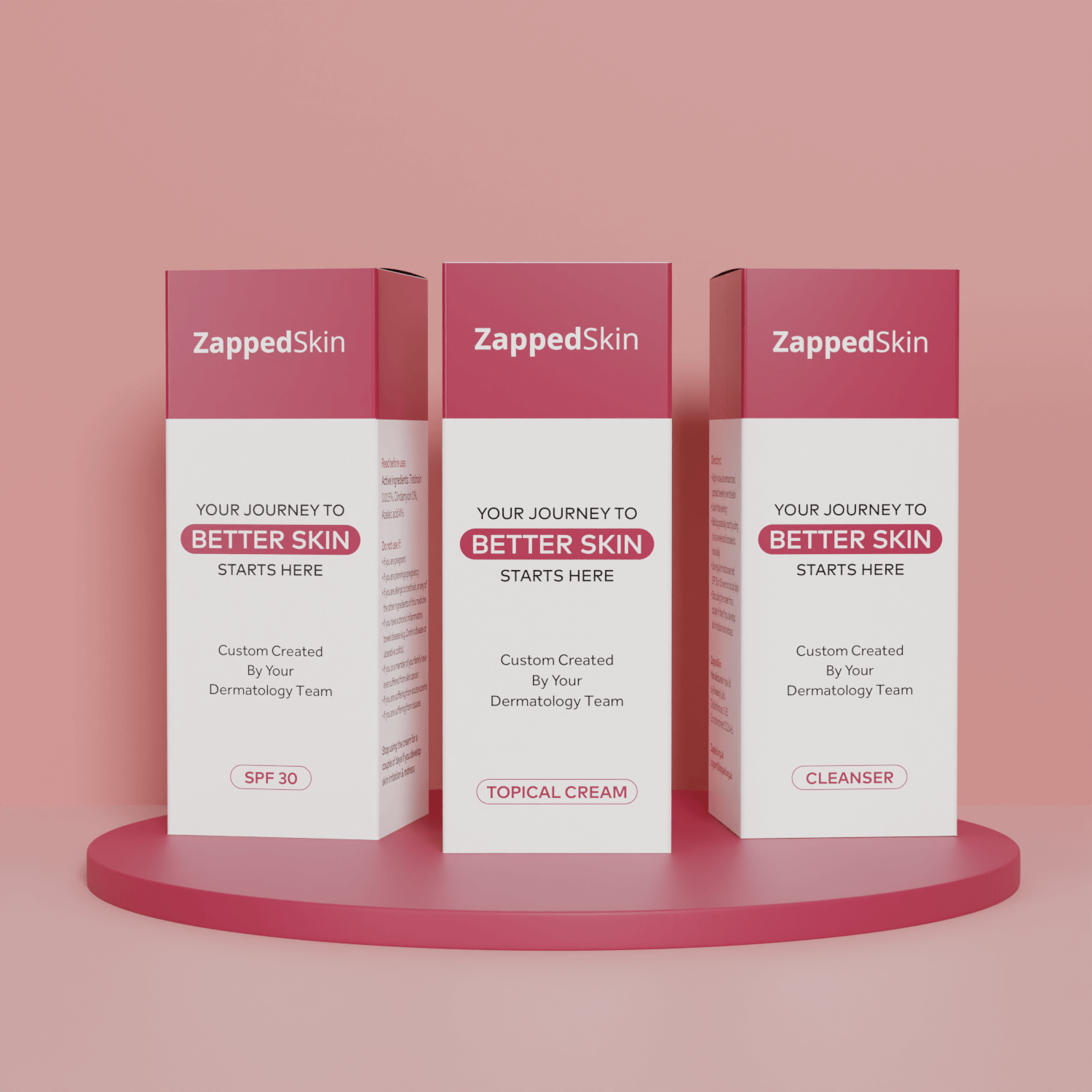
Each topical cream is uniquely created for your skin following a detailed assessment by a consultant dermatologist. We don’t compromise on quality; every single case is reviewed by one of the top consultant dermatologists in the UK to ensure that your acne is treated in the most effective way.
We give our patients the best chance of clearing their acne once and for all by offering both customized prescription-grade creams and oral medications. From oral antibiotics to Roaccutane, at ZappedSkin we’ve got everything covered.
We bring together expert dermatologists, effective ingredients, and personalized treatment plans along with continuous support to help you get the spot-free, glowing, and healthy skin that you deserve.
We only use ingredients that are known to work and are only available with a prescription. Our team of dermatologists, formulators, and pharmacists are experts in creating customized creams that fit individual patients’ needs.
Tretinoin is a topical medication commonly used for the treatment of acne and certain skin conditions. It is a derivative of vitamin A and belongs to a class of medications called retinoids. Tretinoin works by increasing the turnover of skin cells, which helps to prevent the formation of acne and promotes the growth of new, healthy skin.
Here are some key points about tretinoin:
Topical clindamycin is an antibiotic that is commonly used for the treatment of acne and certain types of bacterial skin infections. Here is some important information about topical clindamycin:
Azelaic acid is a topical medication that is commonly used for the treatment of acne and certain skin conditions. It is a naturally occurring acid that is derived from grains like wheat, barley, and rye. Azelaic acid has antibacterial and anti-inflammatory properties, which make it effective in reducing acne lesions and improving the overall appearance of the skin.
Here are some key points about azelaic acid:
Acne treatment: Azelaic acid is often used to treat mild to moderate acne. It works by reducing the growth of bacteria on the skin and preventing the accumulation of dead skin cells, which can clog pores and lead to acne breakouts. Additionally, it helps to reduce inflammation associated with acne.
Hyperpigmentation: Azelaic acid is also used to treat hyperpigmentation, which refers to dark spots or patches on the skin caused by excessive melanin production. It can help fade hyperpigmentation by inhibiting the enzyme responsible for melanin synthesis.
Rosacea treatment: Azelaic acid is approved for the treatment of rosacea, a chronic skin condition characterized by facial redness, flushing, and acne-like bumps. It helps to reduce redness and inflammation associated with rosacea and can improve the overall appearance of the skin.
Side effects: Azelaic acid is generally well-tolerated, but some individuals may experience mild side effects such as skin irritation, dryness, or itching. These side effects are usually temporary and resolve with continued use. If severe or persistent side effects occur, it is advisable to discontinue use and consult a healthcare professional.
Adapalene is a topical retinoid medication that is commonly used for the treatment of acne. It belongs to the same class of medications as tretinoin and works by promoting the turnover of skin cells and preventing the formation of acne lesions.
Here are some key points about adapalene for acne treatment:
Niacinamide, also known as vitamin B3 or nicotinamide, is a water-soluble vitamin that offers various benefits for the skin. It is commonly used in skin care products and topical formulations due to its numerous positive effects. Here are some key points about niacinamide:
Oral medications are prescribed for the treatment of acne when topical treatments alone are not sufficient. These medications are typically used for moderate to severe acne or for cases where acne is not responsive to other treatments.
Combining oral and topical medication can be very effective in treating acne and avoiding the development of scars.
Here are some common oral medications that we prescribe at ZappedSkin for acne.
Lymecycline is a broad-spectrum antibiotic that is commonly used for the treatment of acne. It belongs to the tetracycline class of antibiotics and is primarily prescribed to reduce the population of bacteria that contribute to acne breakouts.
Here are some key points to know about lymecycline:
Erythromycin is an antibiotic that is sometimes prescribed for the treatment of acne. It belongs to the macrolide class of antibiotics and is used to reduce the population of bacteria involved in acne breakouts, such as Propionibacterium acnes.
Here are some key points to know about erythromycin for acne:
Doxycycline is an antibiotic commonly used in the treatment of acne. It belongs to a class of antibiotics called tetracyclines and works by inhibiting the growth of bacteria that contribute to the development of acne.
When used for acne treatment, doxycycline helps to reduce inflammation and control the population of bacteria on the skin. It is often prescribed for moderate to severe cases of acne that do not respond well to topical treatments alone.
Spironolactone can be used off-label as a treatment for acne, particularly in cases where hormonal factors contribute to the development of acne. Here’s some information regarding the use of spironolactone for acne:
Isotretinoin, also known by its brand name Roaccutane, is a medication primarily used for the treatment of severe forms of nodulocystic and acne conglobate. Isotretinoin is typically prescribed when other acne treatments have failed or in cases where acne is causing significant physical or psychological distress.
In the UK, Isotretinoin can only be prescribed by a dermatologist or by a team that is directly supervised by a dermatologist
Isotretinoin belongs to a class of drugs called retinoids, which are derived from vitamin A and it works by:
This helps to prevent the formation of new acne lesions and promotes the healing of existing ones.
Isotretinoin is usually prescribed over a period of 6 to 8 months depending on the patient’s weight and tolerance.
Due to its potential side effects, isotretinoin is generally prescribed under strict monitoring including:
Common side effects include dry skin, chapped lips, dry eyes, nosebleeds, and muscle aches. It can also cause more severe side effects such as birth defects if taken during pregnancy, depression, liver damage, and an increase in blood lipid levels. Therefore, it is crucial to use effective contraception while taking isotretinoin and to undergo regular monitoring and follow-up with a dermatologist.
Name: Text goes here
Treatment: Text goes here
Post Treatment: Text goes here

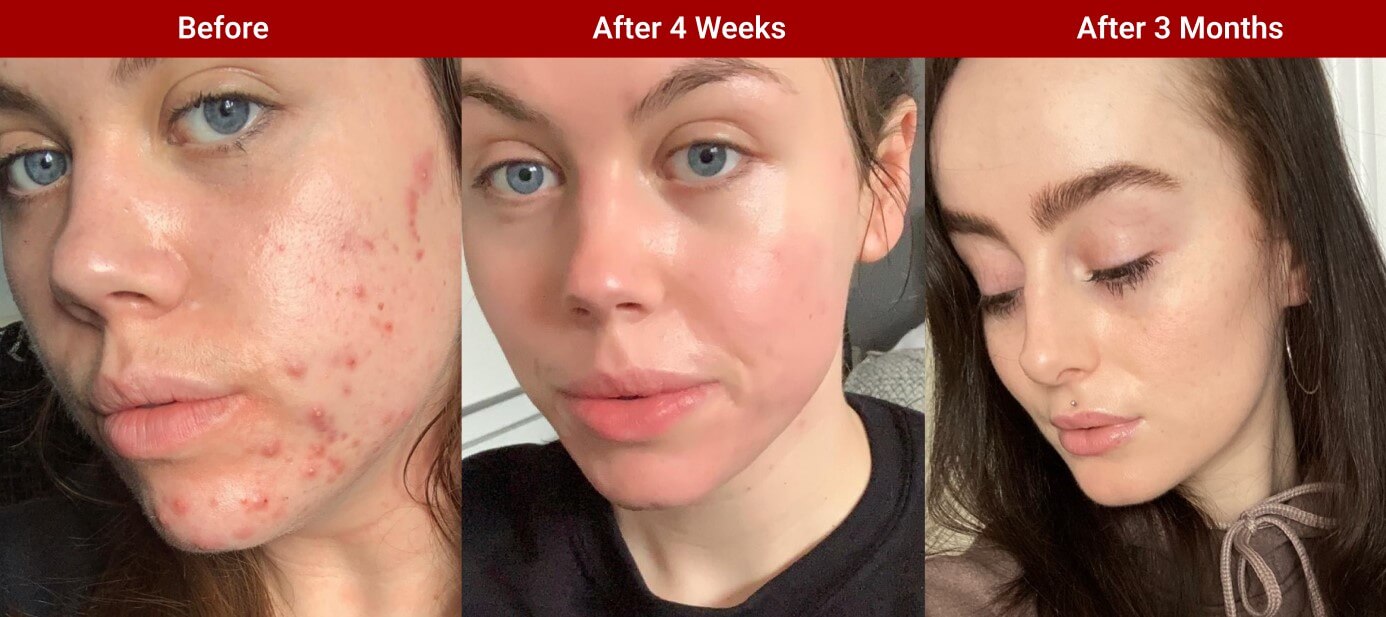
Name
Text goes here
Treatment
Text goes here
Post Treatment
Text goes here
About Us
How we can help
Treatments we offer
How it works
Our Products
Treatments
Topical Medication
Oral Medication
Our Experts
Dermatologists
Blog
Contact us
support@zappedskin.com
Follow Us
Regulated By

2022 © Copyright ZappedLimited
Privacy Policy
Terms & Conditions